

Have you noticed that your face looks more tired, your cheeks appear less plump, or the contours of your face seem different than they used to be.
These changes mainly related to facial volume loss, a common part of ageing process. Over time, changes in facial fat, collagen, skin elasticity and underlying bone structure can affect the way our faces look.
Understanding why these changes happen is the first step towards choosing the right approach to facial rejuvenation.
What Is Facial Volume Loss?
Facial volume loss refers to changes in the fullness and support of the face over time.
A youthful facial appearance is influenced by several structures, including facial fat compartments, collagen-rich skin, connective tissue and underlying bone. As these structures change with age, the face may gradually appear less full or develop more noticeable contours and folds.
Facial volume loss does not happen at the same rate for everyone. Genetics, age, weight fluctuations and individual anatomy can all influence how these changes appear.
5 Signs The Face May Be Experiencing Volume Loss
- Cheeks Look Less Full
- Temples Hollowness
- Nasolabial Folds Look More Noticeable
- Under-Eye Area Hollowness
- Facial Contours Losses Definition
Why Does Facial Volume Loss Happen?
Several factors can contribute to changes in facial fullness.
Natural ageing: As we age, collagen production and skin elasticity change. Facial fat compartments and underlying bone structures may also change over time.
Weight fluctuations: Significant weight loss may reduce facial fullness, although the extent varies between individuals.
Genetics: Some people naturally have less facial fat or develop hollowing earlier than others.
Lifestyle and environmental factors: Sun exposure and smoking can contribute to premature skin ageing, while adequate nutrition, sleep and sun protection support overall skin health.
Facial Volume Loss vs Sagging Skin: Are They the Same?
Facial volume loss refers to reduced fullness or changes in the underlying structures that support facial contours. Sagging skin, or skin laxity, refers to a reduction in the skin’s firmness and support.
The two concerns can occur together, but they are not interchangeable.
For example, a person may have hollow cheeks due to volume changes, while another may experience more noticeable lower-face laxity. Some people have both.
This distinction matters because a treatment that improves skin firmness may not adequately address significant volume loss. Likewise, adding volume does not necessarily correct every form of skin laxity.
What Are the Treatment Options for Facial Volume Loss?
There is no single treatment that suits everyone. The appropriate approach depends on the cause of the concern, facial anatomy, medical history and desired outcome.
1. Collagen Biostimulators
Treatments such as Sculptra are designed to stimulate the body’s collagen production over time. They may be considered for selected patients who want gradual improvement in facial fullness and support. Results develop progressively and vary between individuals.
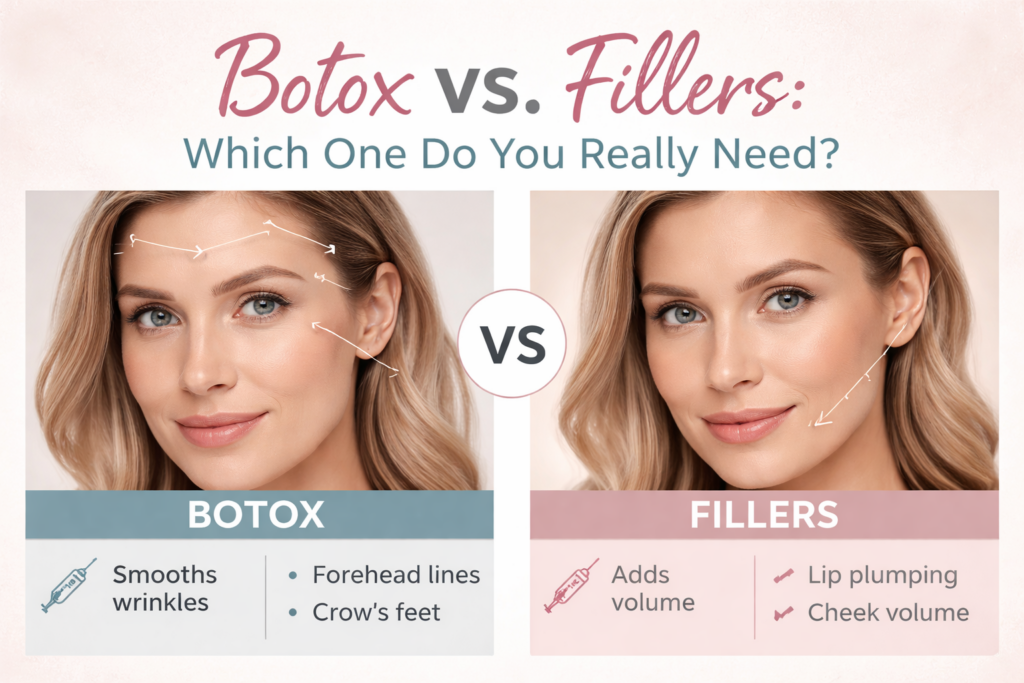
2. Dermal Fillers
Certain hyaluronic acid dermal fillers can provide targeted volume restoration or improve selected facial contours.
The choice of product and injection site requires careful assessment because different facial areas have different anatomical considerations and risks.
3. Skin Quality Treatments
Skin boosters and selected energy-based treatments may help address concerns such as skin hydration, texture or firmness, depending on the technology used.
However, improving skin quality is not the same as replacing lost facial volume. These treatments may complement a broader rejuvenation plan rather than serve as a direct substitute for volume restoration.
4. Healthy Lifestyle and Skin Protection
Daily sun protection, balanced nutrition, adequate sleep and avoiding smoking can support skin health. Maintaining a stable, healthy weight may also help minimise avoidable fluctuations in facial fullness.
Lifestyle measures cannot fully reverse age-related structural changes, but they remain important parts of long-term skin care.
Frequently Asked Questions
1. At what age does facial volume loss begin?
There is no fixed age. Changes can begin gradually in adulthood, but their timing and visibility depend on genetics, anatomy, lifestyle and other individual factors.
2. Can facial volume loss happen after weight loss?
Yes. Significant weight loss can reduce facial fullness in some people. However, the degree of change varies, and other causes of facial hollowing should also be considered.
3. Can skincare products restore lost facial volume?
Skincare can support hydration, skin texture and the appearance of fine lines, but topical products cannot reliably replace deeper facial volume that has been lost.
4. Is Sculptra the same as dermal filler?
No. Sculptra is a poly-L-lactic acid (PLLA) collagen biostimulator that works gradually by stimulating collagen production. Hyaluronic acid dermal fillers provide volume through a different mechanism. The appropriate option depends on individual assessment.
5. Do I need treatment if my face looks more hollow?
Not necessarily. Facial changes are natural, and treatment is a personal choice. If you are concerned, a medical assessment can help clarify the cause and explain suitable options, including choosing not to undergo treatment.
Facial volume loss is a complex process involving more than just wrinkles. Understanding the underlying changes can help you make informed decisions about facial rejuvenation.

 English
 Chinese