
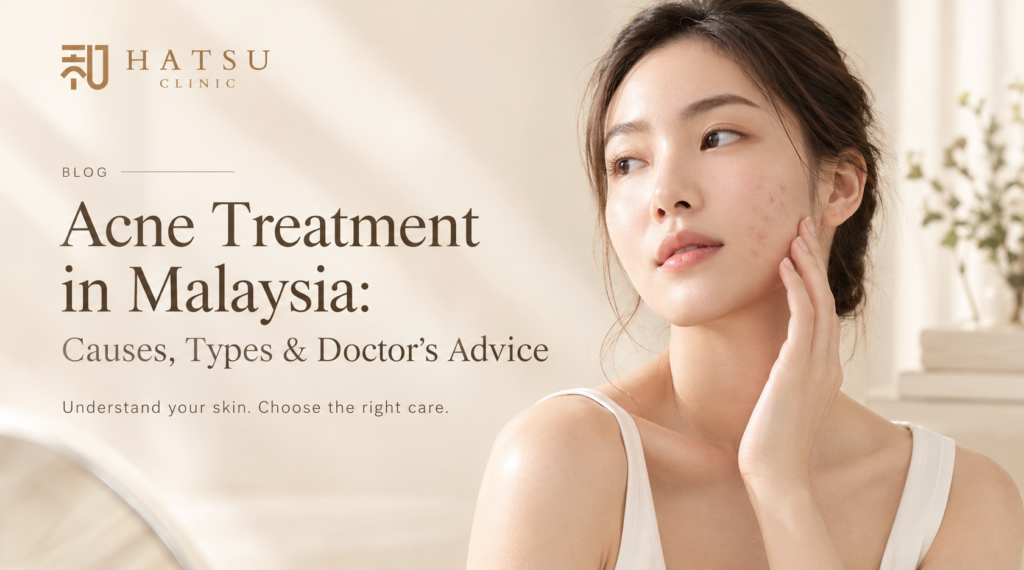
Acne is one of the most common skin conditions, affecting teenagers and adults. Although acne is often associated with puberty, many people continue to experience breakouts even into adulthood.
Having acne does not mean you are not taking good care of your skin. Acne is a multifactorial inflammatory skin condition involving excess sebum production, clogged hair follicles, changes in the skin microbiome and inflammation. Hormonal fluctuations, genetics, certain medications and some skincare products may also contribute to acne development or aggravate existing breakouts.
What Is Acne Vulgaris?
Acne vulgaris is a chronic inflammatory skin condition that primarily affects areas with a high concentration of oil glands, including the face, chest, shoulders and back.
Acne develops when several factors interact:
- Excess sebum production: Increased oil production can contribute to the development of acne.
- Abnormal shedding of skin cells: Dead skin cells may accumulate inside hair follicles, contributing to blocked pores.
- Changes in skin bacteria: Cutibacterium acnes, a bacterium normally present on the skin, can contribute to inflammation in acne-prone follicles.
- Inflammation: The body’s inflammatory response can lead to red, swollen and sometimes painful acne lesions.
These factors explain why acne cannot always be resolved simply by washing the face more frequently or changing skincare products.
What Are the Different Types of Acne?
A. Whiteheads
Whiteheads are closed comedones that develop when a hair follicle becomes blocked by oil and dead skin cells.
They typically appear as small, skin-coloured or whitish bumps. Although they may look minor, squeezing them can irritate the surrounding skin.
B. Blackheads
Blackheads are open comedones. The material inside the pore becomes exposed to air, and the dark appearance results from oxidation and other changes in the material within the follicle.
C. Papules and Pustules
Papules are inflamed red bumps, while pustules contain visible pus.
These lesions develop when inflammation occurs around blocked hair follicles. Picking or squeezing them may worsen inflammation and increase the risk of post-inflammatory marks and scarring.
D. Nodules and Cysts
Deeper acne lesions may feel firm, tender or painful beneath the skin.
Nodular and severe inflammatory acne can carry a greater risk of permanent scarring. If you experience this type of acne, it is better if to seek medical assessment rather than relying only on over-the-counter skincare products.
Why Do You Keep Getting Acne?
Acne is rarely caused by one factor alone. Hence, by understanding the potential triggering factor may help to manage recurring breakouts more effectively.
Hormonal changes
Hormones can influence sebum production. Acne may develop or worsen during puberty, around menstruation or during certain stages of adulthood.
Adult acne is also common, particularly among women who experience persistent or recurring breakouts after their teenage years.
遗传因素:
Genetics can influence your susceptibility to acne. If your parents or siblings have a history of acne, you may have a higher likelihood of developing it.
Inherited factors can affect sebum production, follicular behaviour and the skin’s inflammatory response.
Skincare and cosmetic products
Some products may clog pores or irritate acne-prone skin. Consider choosing non-comedogenic products and introducing new products gradually.
Consider choosing products labelled non-comedogenic when appropriate, and introduce new products gradually.
Using too many active ingredients simultaneously, particularly exfoliating acids and retinoids, may irritate the skin barrier and aggravate existing skin concerns.
Stress and sleep
Stress may aggravate acne in some individuals. Although stress is not the sole cause of acne, managing stress and maintaining a regular sleep routine can support overall skin health.
Diet
Research suggests that high-glycaemic diet may worsen acne in some people. The relationship between dairy products and acne is less consistent and may vary between individuals.
Medications and underlying hormonal conditions
Certain medications may trigger acne-like eruptions or aggravate existing acne.
In some women, persistent acne accompanied by irregular menstrual periods, increased facial hair or other signs of hormonal imbalance may warrant further assessment for an underlying hormonal condition, such as polyendocrine metabolic ovarian syndrome (PMOS).
What Are the Evidence-Based Treatments for Acne?
There is no single treatment that works for every type of acne. The appropriate approach depends on the severity of the condition, the type of lesions, previous treatment response, skin sensitivity and other individual factors.
Topical treatments
Topical treatments are applied directly to the skin. Depending on the individual, options may include:
- Benzoyl peroxide: Helps reduce acne-causing bacteria and inflammatory lesions.
- Topical retinoids: Help prevent clogged pores and are useful for comedonal acne.
- Topical antibiotics: Such as clindamycin, may help reduce inflammation in selected cases. They should generally be combined with benzoyl peroxide, rather than used alone, to reduce antibiotic resistance.
- Other prescription topical medications: May be appropriate depending on the acne pattern and clinical assessment.
Some treatments can cause dryness or irritation. Retinoids should generally be avoided during pregnancy or when planning pregnancy unless specifically advised.
Oral medications
For moderate to severe acne, widespread inflammatory acne or acne that does not respond adequately to topical treatment, oral medication may be advised. Options may include oral antibiotics, Isotretinoin or hormonal treatments. Discuss with your clinician for best outcome.
In-clinic acne procedures
Selected in-clinic procedures may complement a medical acne treatment plan. Depending on the diagnosis and skin condition, these may include chemical peels or energy based devices.
However, procedures are not a substitute for controlling active acne when medical treatment is needed.
Some procedures can aggravate inflamed acne or increase the risk of pigmentation, especially when performed on unsuitable skin or without appropriate aftercare. Treatment should therefore be selected following a proper assessment.
Acne is common, but that does not mean you have to manage it through trial and error indefinitely. The most effective approach begins with understanding the type of acne you have, identifying factors that may aggravate it and choosing treatments that are appropriate for your skin and medical circumstances.
Avoid squeezing pimples, overwashing your face or introducing too many active ingredients at once. Maintain a gentle skincare routine, use suitable sun protection and seek medical advice if your acne is persistent, painful or leaving scars.
Remember that clearer skin is a process, not an overnight result. Consistency, realistic expectations and timely medical advice are important parts of long-term acne management.

 Chinese
 English