
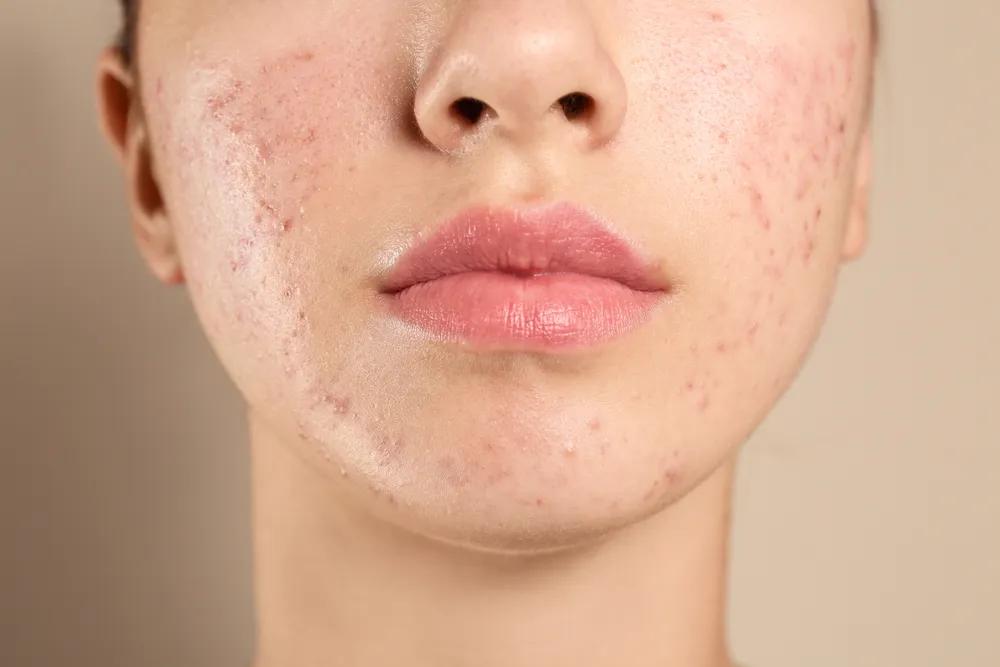
Acne is one of the most common skin conditions treated in medical aesthetic clinics, yet many patients struggle with recurrent acne despite multiple treatments.
If you’ve experienced breakouts returning after facials, medications, lasers, or clinical procedures, you’re not alone.
Understanding why acne keeps coming back requires looking beyond the surface. Acne is a chronic inflammatory skin condition, and long-term results depend on addressing its root causes — not just treating visible pimples.
Acne Is More Than Just Oily Skin
One of the biggest misconceptions about acne is that it is caused solely by excess oil. While sebum production plays a role, acne develops due to a combination of factors:
- Excess sebum production
- Blocked pores from abnormal skin cell turnover
- Chronic skin inflammation
- Imbalance of acne-causing bacteria
Treatments that only focus on oil control or drying the skin may provide short-term improvement but often lead to acne relapse, especially when the skin becomes irritated or over-dried.
Hormonal Imbalance and Recurring Acne
Hormonal fluctuation are leading cause of persistent and adult acne, particularly in women.
Hormonal acne commonly:
- Appears along the jawline and chin
- Flares before menstruation
- Worsens during stress, postpartum changes, or perimenopause
Without addressing hormonal triggers as part of an acne management plan, breakouts may return even after successful in-clinic acne treatments.
https://chatgpt.com/c/69533d14-9738-8320-aec2-63f19c1b4739#
Untreated Inflammation Beneath the Skin
Many acne treatments focus on clearing existing pimples but fail to address underlying skin inflammation.
Persistent inflammation can result in:
- Frequent acne flare-ups
- Painful or cystic acne
- Increased risk of acne scars and post-inflammatory pigmentation
This explains why some patients experience temporary improvement but poor long-term acne control.
Hormonal Acne: Why are you still breakout out after puberty?
A Damaged Skin Barrier Can Worsen Acne
Over-exfoliation, harsh skincare products, and aggressive acne treatments can compromise the skin barrier.
Common signs of a damaged skin barrier include:
- Skin that feels tight but still breaks out
- Burning or stinging when applying skincare products
- Acne that heals slowly and leaves marks
A weakened skin barrier increases inflammation and sensitivity, making acne more difficult to treat effectively.
How to Prevent Acne From Coming Back
Preventing recurring acne focuses on long-term skin health rather than quick fixes:
- Reducing chronic inflammation
- Supporting and repairing the skin barrier
- Managing hormonal and lifestyle triggers
- Choosing the right acne treatment at the right time
With a structured, medically guided approach, acne can be controlled more effectively and sustainably.
Effective acne treatment requires:
- Personalised skin assessment
- Identification of triggers such as hormones, lifestyle, and stress
- A tailored combination of medical and aesthetic treatments
At Hatsu Clinic, we approach acne treatment as a long-term journey. Through education, personalised care, and evidence-based treatments, our goal is to help patients achieve not just clearer skin — but healthier, more resilient skin over time.
FAQ- Acne Recurrence
Q: Why does my acne come back after treatment?
A: Acne often returns when underlying causes such as hormones, inflammation, or skin barrier damage are not fully addressed. Long-term acne management is key.
Q: Is acne a chronic condition?
A: Yes. Acne is a chronic inflammatory skin condition that requires ongoing care and maintenance rather than one-time treatments.
Q: Can hormonal acne be permanently cured?
A: Hormonal acne can be effectively controlled with proper management, but flare-ups may occur on and off if hormonal triggers are not addressed.
Q: Why does my acne get worse after some treatments?
A: Overly aggressive treatments or unsuitable skincare can damage the skin barrier, increasing inflammation and worsening acne.
Q: What is the best acne treatment in Malaysia?
A: The best acne treatment depends on your skin type, acne severity, and triggers. A personalised plan guided by a medical professional offers the best long-term results
Q: How do I repair my skin barrier to prevent acne relapse?
A: Gentle skincare, medical-grade moisturisers, and avoiding harsh exfoliation help restore the skin barrier and reduce breakouts.
Conclusion
If your acne keeps coming back, it doesn’t mean treatments fail — it often means the underlying causes haven’t been fully addressed.
At Hatsu, we combine Evidence-based treatments + Long-term maintenance + Patient education
This ensures not only clearer skin today, but healthy, resilient skin for the future.
Disclaimer: This article is for educational purposes only and does not replace professional medical consultation. For personalised assessment, please contact Hatsu Clinic.

 Chinese
  English