

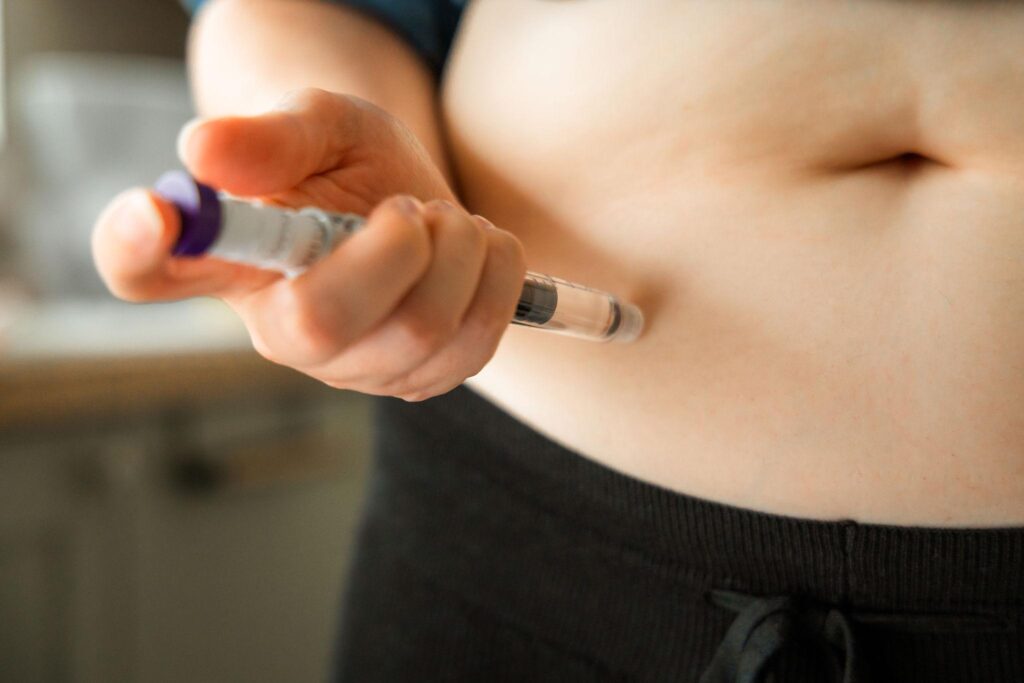
GLP-1 medications like Ozempic® (semaglutide) have revolutionized weight management. However, many patients experience an unexpected side effect: accelerated facial aging, commonly known as “Ozempic Face.” This guide explains the science behind this phenomenon and provides actionable steps to prevent and address it, helping you achieve your weight loss goals without sacrificing a youthful appearance.
What is Ozempic Face?
“Ozempic Face” is a colloquial term describing the loss of facial volume, sagging skin, and deepened wrinkles that can occur following rapid weight loss on GLP-1 medications. It’s not a side effect of the drug itself, but a consequence of the speed at which subcutaneous fat is lost from the face.
Why Does Ozempic Face Happen?
1. Rapid Subcutaneous Fat Loss
- What happens:
Ozempic (semaglutide) accelerates weight loss by suppressing appetite and slowing digestion. However, the face loses subcutaneous fat (the padding under your skin) too quickly for the skin to adapt. - Effects:
- Hollow cheeks
- Sunken temples
- Deepened nasolabial folds
- Pronounced under-eye circles
2. Muscle Atrophy (Volume Loss)
- What happens:
Rapid weight loss can break down facial muscle mass (like the buccal fat pad and temporalis muscle), especially if protein intake is inadequate. - Effects:
- Loss of structural support → sagging
- Reduced “plumpness” → aged appearance
- Jawline definition fades
3. Collagen & Elastin Breakdown
- What happens:
- Fat loss reduces fibroblast activity (cells that produce collagen).
- GLP-1 medications may indirectly lower estrogen, which is critical for skin elasticity.
- Effects:
- Thin, crepey skin
- Worsened wrinkles
- Poor wound healing
4. Dehydration & Nutrient Deficiencies
- What happens:
Ozempic’s appetite suppression can lead to:- Lower water intake → dry, dull skin
- Reduced protein/vitamin consumption → impaired collagen synthesis
- Signs:
- Ashy or grayish skin tone
- Increased sensitivity
How to Prevent or Reverse Ozempic Face?
- 1. Gradual weight loss
Aim for 0.5–1.5 lbs/week to allow skin to adapt.
2. Stay hydrated
Drink 4 to 8 glasses (1 to 2 liters) of water a day.
3.Balanced diet
Include protein-rich foods like lean meats, fish, eggs, and nuts to support muscle.
3. Skin Care
Includes collagen boosting skin care products like retinoids to improve skin elasticity
4. Professional Medical Treatments
Facial Fillers to restore volume loss
Collagen biostimulators to trigger collagen production for skin tightening.
Skin tightening treatments like radiofrequency to improve elasticity.
The health benefits of GLP-1 medications are profound. Though some experience Ozempic Face, with the proper strategy like paced weight loss, strategic nutrition, and advanced skincare. If signs appear, a range of effective, minimally invasive treatments can help restore a refreshed, natural look. Always consult with your prescribing physician and a qualified aesthetic specialist to create a plan tailored to your health and aesthetic goals.
FAQ:
Q1: What exactly is “Ozempic Face”?
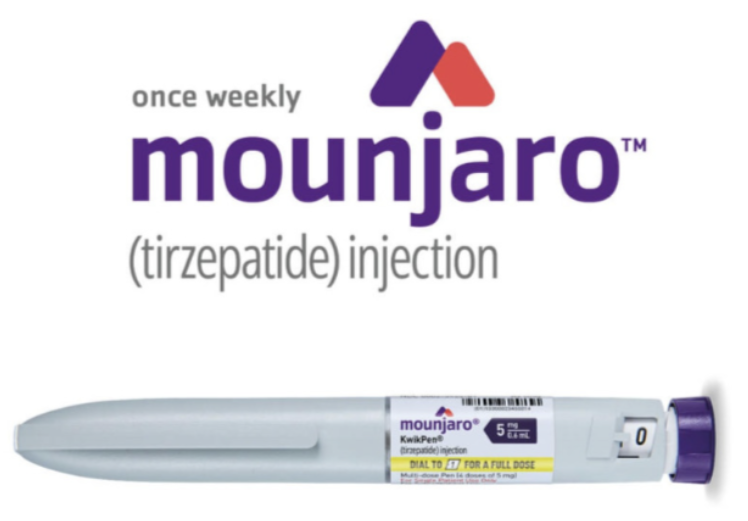
A: “Ozempic Face” is a popular term for the accelerated facial aging—including volume loss, sagging skin, and deepened wrinkles—that can occur after rapid, significant weight loss from GLP-1 medications like Ozempic®, Wegovy®, Mounjaro™, and Zepbound™. It is not a direct side effect of the drug, but a consequence of losing facial fat too quickly for your skin to adapt.
Q2: Is “Ozempic Face” permanent?
A: It is not necessarily permanent, but it often does not fully reverse on its own. The lost facial fat may not return even if you regain weight. However, professional aesthetic treatments (like fillers, collagen stimulators, and skin tightening) can significantly restore volume and improve skin laxity. Prevention through gradual weight loss and proper nutrition is the best strategy.
Q3: How common is this?
A: While not everyone experiences it, it’s a frequent concern among patients losing more than 20-30 pounds, especially those over 35. The likelihood increases with the speed of weight loss, total pounds lost, age, genetics, and pre-existing skin quality.
Q4: How can I prevent “Ozempic Face”?
A:
- Lose Weight Slowly
- Prioritize Protein in the daily diet
- Stay Hydrated: Drink at least 2-3 liters of water daily.
- Consider Early Intervention: Consult a board certified medical professionals at the first signs of volume loss for preventative strategies.
Q5: What are the best treatments to fix it?
A: A combination approach is most effective:
- For Volume Loss: Hyaluronic Acid Fillers (e.g., Juvederm, Restylane) instantly restore hollow cheeks and temples.
- For Collagen & Skin Quality: Collagen Biostimulators (e.g., Sculptra, Radiesse) gradually rebuild your skin’s foundation over 3-6 months.
- For Skin Tightening: Energy-Based Devices like radiofrequency microneedling or HIFU (Ultherapy) lift and tighten loose skin.
- For Severe Sagging: A facelift may be the most effective solution.
Q6: Will my face go back to normal if I stop taking Ozempic?
A: Not exactly. Stopping the medication may lead to weight regain, but the new fat may distribute differently on your body and face. It rarely restores the exact pre-weight-loss facial volume and structure. Professional treatments are often needed to sculpt and restore a desired appearance.
 Chinese
  English